Why Does Down Syndrome Affect The Face

Faces of Joy: Unraveling the Unique Features of Down Syndrome Ever wondered why individuals with Down syndrome have those adorable, distinct facial features? It's not just ab...
Faces of Joy: Unraveling the Unique Features of Down Syndrome
Ever wondered why individuals with Down syndrome have those adorable, distinct facial features? It's not just about being cute; it's science at work! Let's dive into the fascinating world of genetics and embrace the unique beauty of our friends with an extra chromosome.
Meet Chromosome 21
At the heart of Down syndrome is an extra copy of chromosome 21. This tiny powerhouse contains around 47 million base pairs and about 700 genes. It's like having an extra little instruction manual, and some of those instructions result in the charming facial features we associate with Down syndrome.
Think of it like a recipe. If you add an extra teaspoon of a particular spice, it changes the final dish's flavor. In this case, the 'spice' is the extra genetic material, and the 'dish' is the physical features of a person with Down syndrome.
Must Read
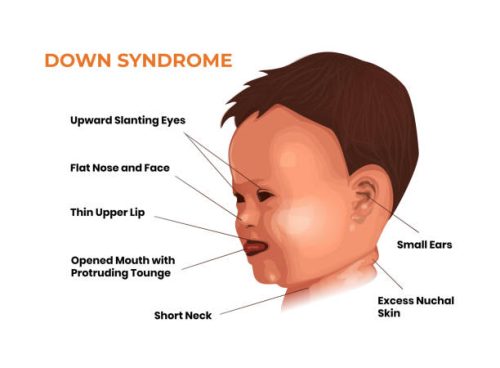
Almond-Shaped Eyes and Upward Slant
One of the most noticeable features is the almond-shaped eyes with an upward slant at the outer corners. This is due to the extra genetic material affecting the development of the eye muscles and bones around the eyes. It's like nature's way of giving them a perpetual twinkle in their eyes!
Fun fact: This eye shape is often seen in other cultures too, like in East Asian populations. It's nature's way of saying, "Hey, let's all be a little more alike!"
Smaller Nose and Flatter Bridge
The nose of an individual with Down syndrome is typically smaller with a flatter bridge. This is due to the extra genetic material affecting the growth and development of the nose. It's like having a mini version of a classic Roman nose!
Did you know? This feature is also seen in some other genetic conditions, like Noonan syndrome. It's like they're all part of the same cool genetic club!
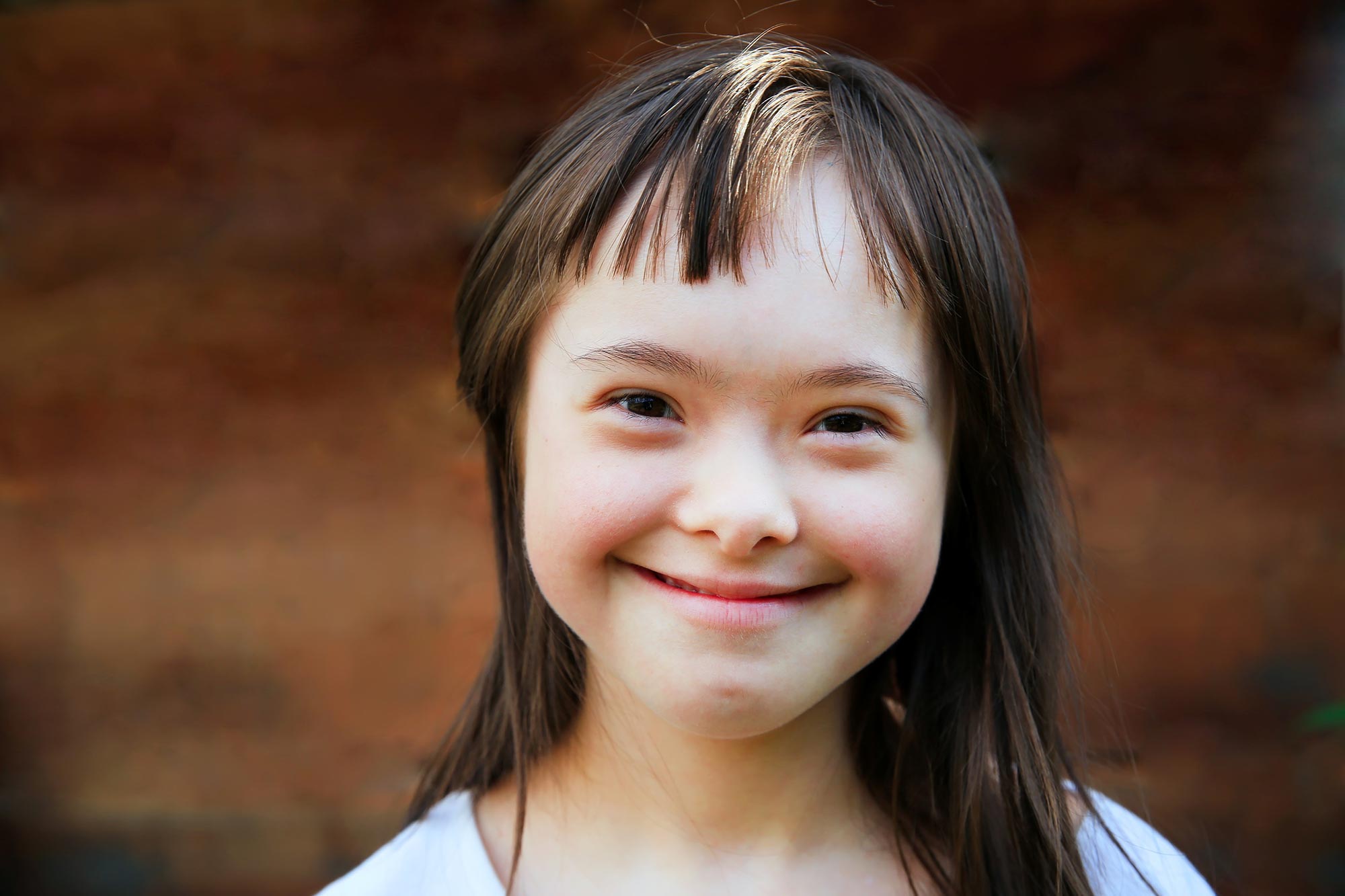 Celebrating A Decade Of Inclusion: 24 Photos That Are Changing How We
Smaller Mouth and Tongue Protrusion
The mouth is often smaller, and there might be a slight tongue protrusion. This is due to the extra genetic material affecting the development of the jaw and tongue. It's like having a mini, adorable tongue sticking out all the time!
Pro tip: This can sometimes lead to speech difficulties, so early intervention with speech therapy can make a big difference.
Unique Facial Features, Unique Individuals
While these features are common in Down syndrome, it's important to remember that each person is unique. Just like you and me, they have their own personalities, quirks, and dreams. Their facial features are just one part of what makes them who they are.
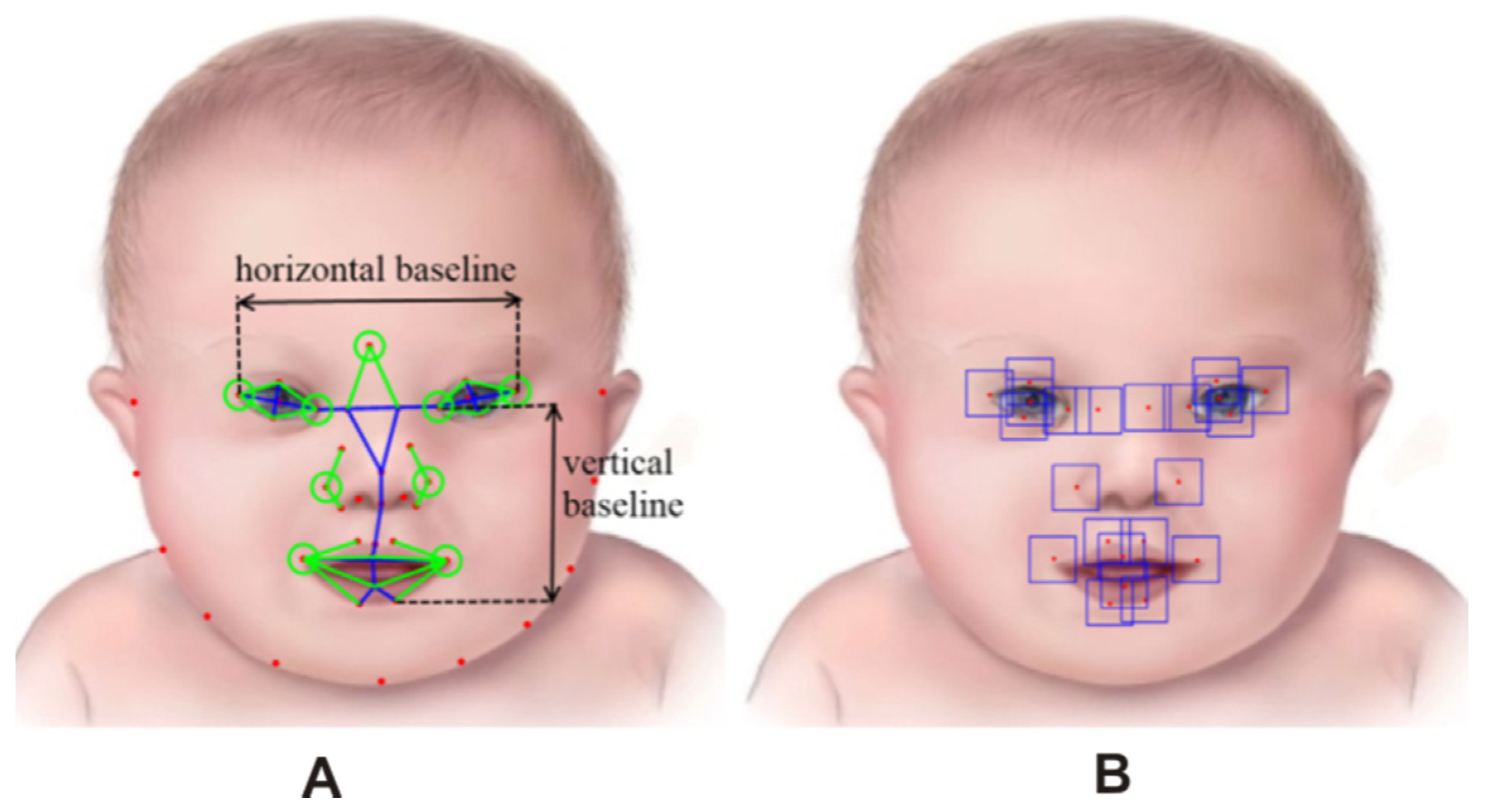 Down Syndrome Face Recognition: A Review
Think of it like a beautiful, diverse garden. Each plant is unique, but they all contribute to the garden's beauty. Similarly, each person with Down syndrome contributes to the beauty and diversity of our society.
Embracing Diversity
So, the next time you see someone with Down syndrome, take a moment to appreciate their unique features. They're not just 'different'; they're beautifully, wonderfully unique. And remember, we're all just a few genetic 'spices' away from being a little more alike.
In the words of the late, great Christopher Reeve, "A hero is an ordinary individual who finds the strength to persevere and endure in spite of overwhelming obstacles." Individuals with Down syndrome are heroes in their own right, and their unique faces are a testament to their strength and resilience.
So, let's celebrate their faces, their strength, and their uniqueness. After all, diversity is what makes our world so beautifully interesting!
