What Is A Low Pressure Weather System

Ever found yourself humming a tune while watching clouds roll in, wondering what's making them dance like that? Well, my friend, let me introduce you to the star of the show -...
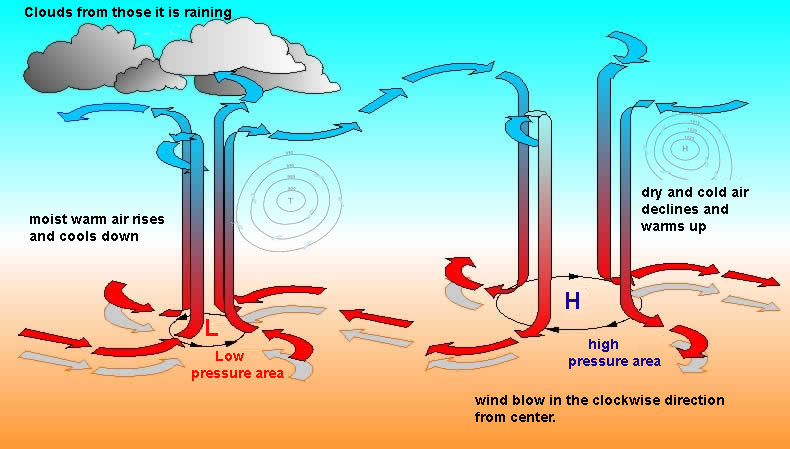
Ever found yourself humming a tune while watching clouds roll in, wondering what's making them dance like that? Well, my friend, let me introduce you to the star of the show - the low pressure weather system. It's like the conductor of our skies, orchestrating all that cloudy action.
So, what's the big deal about low pressure?
Imagine low pressure as a big, invisible vacuum cleaner in the sky. It's constantly sucking in air from all around, creating a whirlwind of activity. This is what we call a cyclone, or more commonly, a low pressure system.
But why does it do this? Well, it's all about the air trying to find balance, like when you're trying to find the perfect spot on the couch to watch your favorite movie. Air moves from high pressure to low pressure, seeking that sweet spot of equilibrium.
Must Read
But how does it affect us?
You might be thinking, "That's all well and good, but what's in it for me?" Well, low pressure systems bring us some of the most fascinating weather phenomena. Think of them as the party planners of the atmosphere.
First off, they're the reason we get rain or snow. As the air rushes in, it rises and cools, condensing into clouds and eventually, precipitation. It's like the air is giving us a little gift from above.
And if you've ever seen those beautiful, swirling clouds, you've got a low pressure system to thank for that too. They can even bring us thunderstorms and tornadoes, though those are a bit more intense than your average rain shower.
 What kind of storm is the Triangle going to see this weekend?
But wait, there's more!
Low pressure systems aren't just about the drama. They can also bring us some pretty amazing sunsets and sunrises. You know those beautiful, colorful skies? That's the low pressure system's way of saying, "Hey, look at me!"
And if you're into surfing or kitesurfing, you'll love low pressure systems. They bring in those strong winds that create the perfect waves and gusts for a thrilling ride.
So, why is it called 'low' pressure?
You might be wondering, "Why is it called a low pressure system when it's basically a big party for the air?" Well, that's because the air pressure at the center of the system is lower than the surrounding air pressure.
 What is a low pressure area?
Imagine a big, invisible donut. The hole in the middle is the low pressure, and the air around it is the high pressure. The air moves from the high pressure (the donut) to the low pressure (the hole), creating that whirlwind of activity.
But what about high pressure?
You might be thinking, "That's all well and good, but what about high pressure? Isn't it the good guy in this story?" Well, high pressure is like the librarian of the atmosphere. It's calm, it's quiet, and it brings us beautiful, sunny days.
But that's a story for another time. For now, let's appreciate the drama queen of the skies - the low pressure system. It's the reason we get to see some of the most amazing weather phenomena, so let's give it a round of applause.
